Author

Italy Rejects Constitutional Reform Referendum
 Italy rejected Prime Minister Matteo Renzi’s constitutional reform in Sunday’s referendum, as polls had predicted. But Italian voters didn’t just say “no,” they said “hell no!” with 59.1% voting against and 40.9% voting in favor. The magnitude of the rejection surprised financial markets, although the price impact has somewhat dissipated already.
We expect President Mattarella to select a leader for a caretaker government that will modify the current electoral law and then move to new elections sometime next year, ahead of the scheduled elections in 2018. The populist Five Star party (M5S) had fiercely opposed the electoral law, but is now pressing for immediate elections given that polls suggest M5S would win a strong mandate under fresh elections using the current electoral law.
Renzi had championed the current electoral law earlier in his administration, aiming for an electoral system that centralized power and improved government stability and effectiveness. Now, markets are keenly sensitive to the potential for the law to produce an indomitable M5S government given that M5S seeks to hold a referendum on Italy’s membership in the euro area.
There will likely be pressure to work fast given market pressure over the lingering headache from Italy’s banking troubles. Italian bank shares were down 5-7% intraday on Monday before recovering somewhat into the close. The economy will likely take a hit under prolonged uncertainty, which would further weaken banks as non-performing loans would climb further.
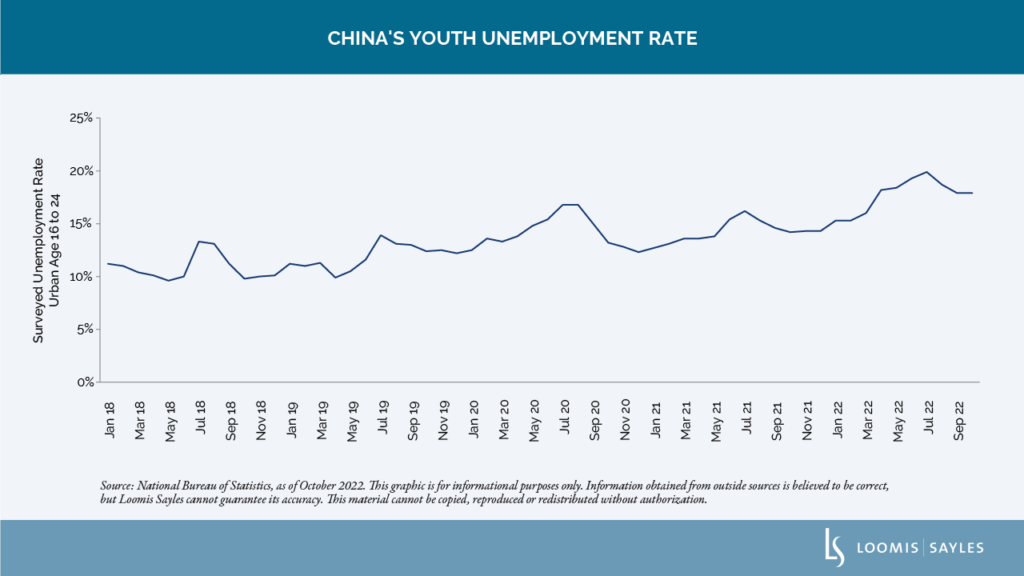
We argue against lumping the Italian vote in with Brexit or the US presidential election as populist surprises. In those elections, older voters opted for the perceived populist choice, in contrast to younger voters. In Italy, exit polls indicate that Renzi narrowly won older voters but lost very badly among young voters, with 81-19% margin among voters aged 18-34.
MALR016247
Meet the Author